Why Humans Fear Deep Water
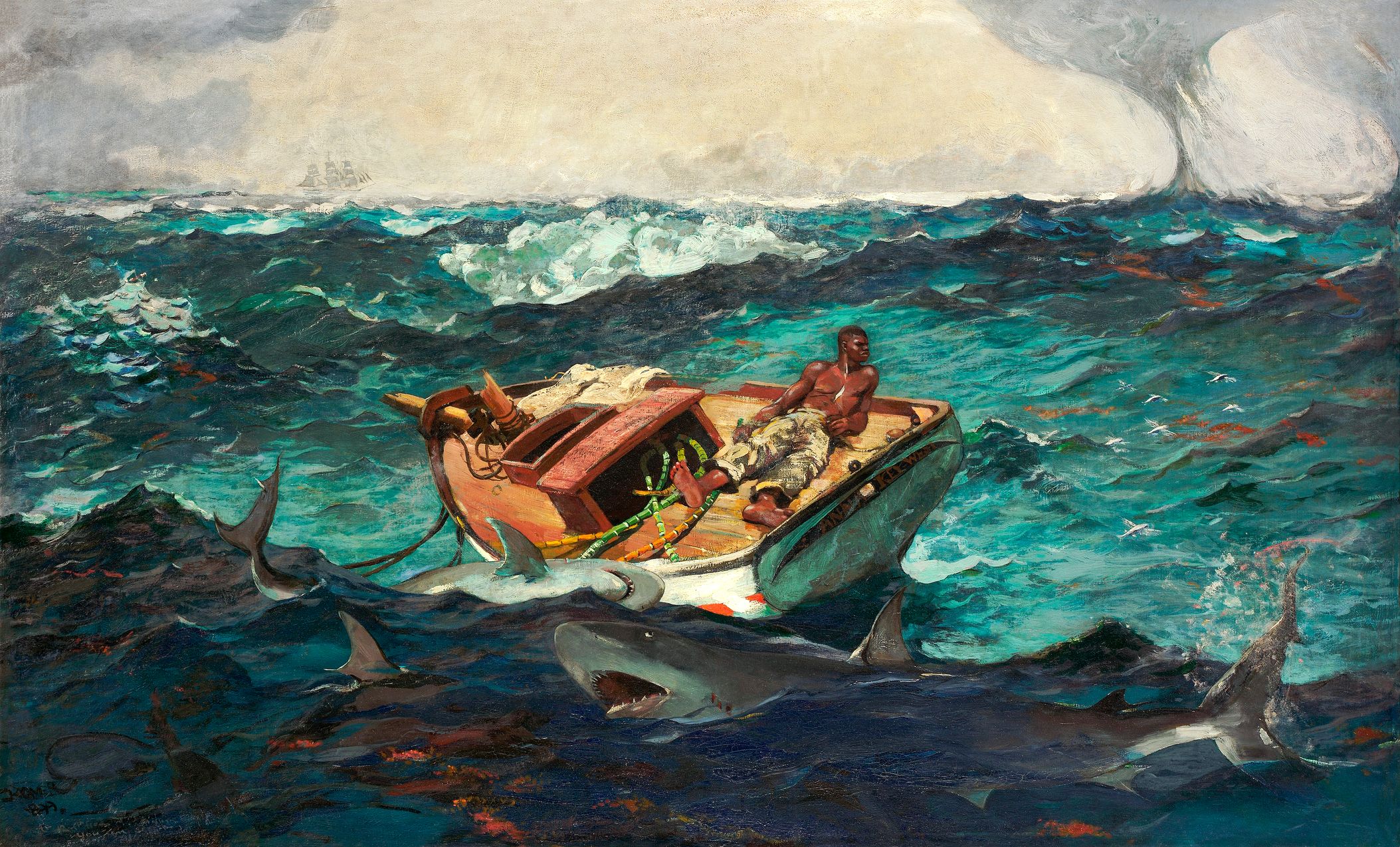
Why Are Humans Afraid of Deep Water?
When readers ask what inspired Black Depths, they're often expecting an answer about scuba diving, deep-sea exploration, or some terrifying documentary I watched late at night.
The truth is stranger.
I've always been fascinated by the way deep water creates two opposite reactions at the same time. We fear it, but we're drawn toward it. We know it's dangerous, yet we stare at it anyway.
The Fear Beneath the Fear
Many people experience some degree of anxiety around deep water. Psychologists sometimes refer to an intense version of this as thalassophobia—a fear of deep bodies of water.
At first glance, the reason seems obvious.
There might be sharks.
You could drown.
You might get pulled under by a current.
But those explanations don't fully account for the feeling most people describe.
Ask someone what makes deep water unsettling, and they'll often say something different: "I don't like not knowing what's down there."
The Problem With Looking Down
Imagine floating in a swimming pool. You can see the bottom and understand the space around you, so your brain can build a complete model of the environment.
Now imagine floating in the open ocean, where the water beneath you turns from blue to black. You can't see the bottom or even tell if there is one. Suddenly your mind is forced to confront uncertainty.
The unknown allows imagination to fill the gap, and we all know imagination rarely chooses the comforting option.
The Ocean Is Bigger Than Us
Another reason deep water affects people so strongly is scale.
Human beings evolved in environments we could understand using our senses and perceptions. More than eighty percent of Earth's ocean remains unmapped and unexplored. There are trenches deeper than Mount Everest is tall. Creatures survive in conditions that would instantly kill us.
The ocean reminds us that we are not the center of the world. For some people, that's exciting. For others, it's terrifying. Usually it's both.
Why We Keep Going Back
Divers spend years training to descend into environments that can kill them. Explorers dedicate their lives to studying places few people will ever see. Millions of people stop and stare at the ocean every chance they get.
The same darkness that frightens us also invites us.
Every unexplored place carries a question: What if there's something down there?
The Psychology Behind Black Depths
This idea became the foundation of Black Depths.
Most underwater horror stories ask: "What if something terrible lived beneath the sea?"
I became more interested in a different question: "What if something wonderful lived beneath the sea?"
What if the thing waiting in the darkness offered understanding? Purpose? Connection? Relief from loneliness? Would that be less frightening? Or more? Because the most dangerous things in our lives are often the things we want.
Why the Deep Still Haunts Us
I suspect our fear of deep water ultimately comes from a collision between two instincts.
One tells us: Stay away.
The other whispers: Go look.
Every person standing at the edge of the ocean experiences some version of that tension. The desire for safety colliding with the desire for discovery because we desire to understand what lies beyond the edge of what we know.
That's why the ocean appears so often in mythology, religion, and fiction. It's a symbol for everything larger than ourselves, and perhaps that's why we keep staring into the dark water.
Not because we're certain something is there.
Because part of us hopes there is.